A candle flickers on the table before me, and I leisurely take another sip of my wine. I’ve been sitting in my apartment, freshly cleaned as of this morning, for a few hours now, as I think over the events of the weekend and flip through my new e.e. cummings book.
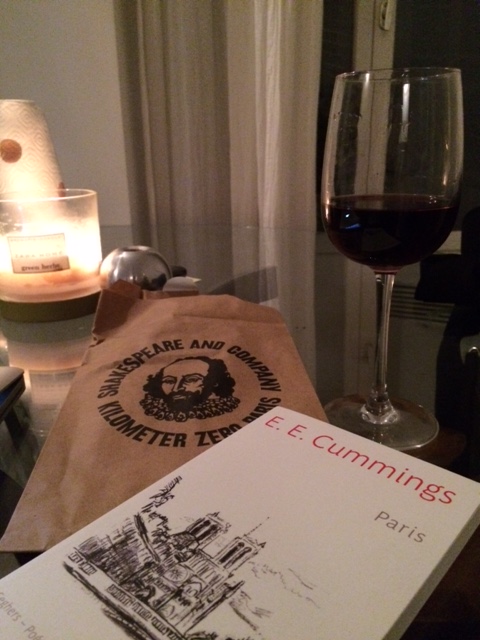 I love Sundays. I always have. On Sundays I hit the reset button. I clean, I explore, I think, I create, and I make time for myself. As I sit in my sweet little apartment now, the flood of reflection and peace that seems to always fill my Sundays returns.
I spent this weekend engaged. Yesterday, I went on a day-trip coordinated by my study abroad program. I hopped on a train headed to Bruges, Belgium at 8am surrounded by new faces and chatter. In coming back to France to study abroad for a second semester, things have been really different. For one, most students don’t study abroad for an entire year, so many of the friends I made last semester went back to the States and returned to their routines and respective universities as I returned to Paris alone. In leaving the city and returning again, but to different circumstances (a different apartment, a different class schedule, and a different group of students), I have been forced into a new period of adjustment.
Making and re-making friends in every new situation that I put myself in has always been a very self-reflective experience. I find myself evaluating my personality, my experiences, and my capacity and tendencies in building relationships each time that I enter into new environments with new people. Particularly in the past year, I’ve found myself evaluating more. Of course I had to make new friends and practice relating differently when I first started college and moved away from home, but making friends who come from the same backgrounds as I do is easy, whereas the process of relating to people was much more challenging the first time I found myself alone in a new culture.
When I stayed with my host family in Kenya last May, I created relationships with locals easily. Everyone was friendly. After a conversation with someone new, usually involving much hand-holding and exchanging of stories, I would have a new close friend. I didn’t have to worry much about proving myself or saying something stupid, because the Kenyans that I was surrounded by so naturally exuded a sense of community and acceptance. This collectivist approach to connection felt so easy because it was naturally more welcoming than the individualist society (America) that I come from, particularly because I was living with a Kenyan family. However, coming to France was entirely different. Even though France is, on a surface level, much more prone to being a collectivist society that America is, I found myself struggling to feel validated and accepted in social settings. It was hard for me to strike up conversations, the language barrier aside, with Parisians that I met in public places. I couldn’t figure out how to go about making friends for the life of me. As a result, I turned back to what was comfortable and worked on building relationships with other Americans who were studying abroad in the same program that I attended.
This semester, things feel different for a number of reasons. Most importantly, I’m trying to let my pride fall to the wayside. When I first came to France it was really hard for me to have conversations and talk freely because I struggled with finding the right words and worried about making mistakes in French. I never wanted to seem stupid or ask the wrong questions, so I stayed safe. Safe was quiet. I am not a quiet person. I felt uncomfortable trying to be “acceptable” because in trying to be accepted I wasn’t being true to who I am.
There are a number of different things that can be said about getting to know yourself and relating to others, but I think some of the most important things I’ve read on this topic have come from The Gifts of Imperfection and Daring Greatly, two books by Brenee Brown. Two of the things that are the most important in any human connection, and in forging a path forward to success (in pretty much any regard), are vulnerability and authenticity. These two key items are paramount to human connection, and I’ve found that the more vulnerable and authentic I am when I’m trying to be intentional about creating new relationships, the more successfully I can relate to people. Being vulnerable means a lot of different things, but I’ve found most recently that vulnerability can simply mean setting my pride aside. After living in a country and speaking a language that is not my own for so long, I have forced myself to be accepting of my own mistakes and shortcomings. I can laugh at my mispronunciations and bad verb conjugations, I can speak English in public and not feel like I’m being caught doing something wrong, and, most important in relating to other Americans who have just moved here, I remember what it felt like when I first arrived.
Yesterday, I found myself filling hours of my time exploring Bruges with strangers in moments of absolute joy. I come from a point of view and sense of self that is different from when I first arrived in France, and have experienced a lot of things that have changed me, but on a human, relational level I still easily connect with people from my own culture. I’ve found connecting with Parisians easier and easier, but reaching back and connecting with other Americans to be a more comfortable, less stressful process for me the more often I do it.
The truth is, there’s not a person in the world who wants to be completely without connection. Humans were quite literally created to live in community, and particularly within the context of living in a foreign culture, people seek companionship and connection with others that will understand them and help them continue growing. Since I’ve hit the reset button quite a few times in the past year in terms of cultivating relationships that I feel like I can be myself in, this Sunday’s reflection on all the interaction I’ve had this weekend made me think to share the most valuable things I’ve learned in trying to connect with people:
- You will not connect with everyone. Simply being from the same country or having had the same upbringing doesn’t mean that you will automatically get along with someone, but for the love of everything good and holy, don’t force it. They don’t all have to like you. This one’s personal. I’m a people-pleaser by nature, so I struggle with confidence sometimes when I can’t seem to understand or be understood even though I’m making an effort.
- “Speak to a man in a language he understands and you will speak to his head, speak to a man in his own language and you will speak to his heart.” I heard this quote in a Ted Talk a while back from a boy who speaks something like 20 languages. I don’t speak 20 languages, and I’m still working on my fluency in French, but my making an effort (mistakes and all) to speak to people here in their own language (even if they understand English) has hugely improved my ability to connect with them.
- Be vulnerable. Be authentic. I’m weird. I’m silly. I make puns and jokes that aren’t all that funny, but I happen to be my best audience and laugh harder than anyone else every time. I ask people personal questions within the first hour of knowing them. I ramble and tell stories for 20 or more minutes at a time. When I’m not sure how people will react to me, though, I stifle this part of my personality. What results is a very bland, fake-feeling version of myself that even I don’t recognize, and it hinders my ability to allow people to get to know me for who I am. Keeping in mind number 1, the rest shouldn’t matter. Setting aside my pride and my ego and letting people see me for the weird, imperfect person that I am allows me to connect so much more.
 The Transition Artist